Cose da fare a cuddalore
Scopri le migliori esperienze
cuddalore: le 10 migliori attrazioni


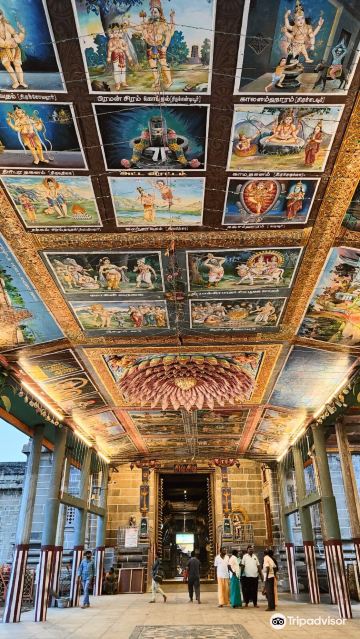
Thillai Nataraja Temple Chidambaram
Chidambaram · 234 m dal centro

Pichavaram Mangrove Forest
Cuddalore · 34,8 km dal centro

Thiruvanthipuram Arulmigu Devanatha Swami Temple - Divya Desam
Cuddalore · 6,4 km dal centro

Pazhamalai Nathar Temple - Paadal Petra Sthalam
Cuddalore · 54,9 km dal centro

Bhuvaraha Swamy Temple
Cuddalore · 54,9 km dal centro

Thillai Kali Amman Temple
Chidambaram · 918 m dal centro

Panruti Arch Panruti.
Cuddalore · 23,8 km dal centro

Anna Stadium
Cuddalore · 1,1 km dal centro

Shri Padaleeswarar Temple
Cuddalore · 2,2 km dal centro

Arulmigu Kolanjiyappar Temple
Cuddalore · 56,7 km dal centro
cuddalore: esperienze da non perdere
cuddalore: Schede telefoniche in evidenza
Schede telefoniche: mostra tutto
4,1/5
· 210 recensioni· 7.572 prenotazioniCancellazione gratuita
Prenota per oggi
419 prenotazioni in 7 giorni
50% di sconto
Da0,52 AED1,04 AED

4,4/5
· 1.003 recensioni· 39.641 prenotazioniCancellazione gratuita
Prenota per oggi
Si esaurisce velocemente
50% di sconto
Da0,48 AED0,97 AED

4,3/5
· 1.285 recensioni· 35.604 prenotazioniCancellazione gratuita
Prenota per oggi
558 prenotazioni in 7 giorni
50% di sconto
Da0,71 AED1,43 AED

4,5/5
· 807 recensioni· 26.229 prenotazioniPrenota per oggi
Schede telefoniche che si esaurisce velocemente
5% di sconto
Da57,65 AED60,69 AED

4,1/5
· 32 recensioni· 2.005 prenotazioniCancellazione gratuita
Prenota per oggi
177 prenotazioni in 7 giorni
Da0,48 AED

4,4/5
· 38.402 recensioni· 471.746 prenotazioniCancellazione gratuita
Prenota per oggi
13.037 prenotazioni in 7 giorni
Da4,00 AED

4,0/5
· 70 recensioni· 2.546 prenotazioniCancellazione gratuita
Prenota per oggi
104 prenotazioni in 7 giorni
10% di sconto
Da0,54 AED0,6 AED
cuddalore: cosa dicono i viaggiatori

Athambawa Jaleel29 settembre 2026
5,0
Chidambaram's Nataraja temple is the most philosophically ambitious building in the Tamil tradition: its holiest point is a small gold-roofed wooden hall shaped like a thatched hut, where beside the dancing Shiva a black curtain draws back on the Chidambara Rahasyam — empty space hung with golden vilva leaves, the divine as akasha, formless. The Cholas, who could build anything, chose to gild a hut. Seek out the 108 karanas of the Natya Shastra carved in the gopuram passages (bring a torch; most visitors miss them) and the chariot-shaped Nritta Sabha. Be ready for the running: the hereditary Podu Dikshitars administer it outside HR&CE control, a position the Supreme Court upheld under Article 26 in Subramanian Swamy (2014), and since they live on offerings, solicitation is persistent and closer darshan effectively negotiated — decline politely and you'll still get full darshan, but the friction is real. Go early morning or for the night Ardha Jama puja, ideally during Natyanjali at Maha Shivaratri, and allow at least half a day. Thanjavur wins on architecture and Srirangam on scale, but Chidambaram wins on idea — the only one whose central claim is made by an absence.
Thillai Nataraja Temple Chidambaram